
My Why
A brief re-introduction of me and my why

I realized that I have a few new subscribers on here, and I thought it would be a good time to reintroduce myself. First off, to the day 1s- thank you. And to the new subscribers, welcome!
Some of you may have followed for insights or thoughts on sports deeper than the scoreboard, while others joined to learn more about my research focuses. All are genuine, and welcome to this space.
Around Christmas of last year, I officially started a business called Next Play Project. The name came from a phrase I’ve heard in basketball growing up, whenever someone would make a play, whether good or bad, it’s common to hear a coach or teammate say, “next play.” All that means is to reorient yourself and prepare for what is coming in the future.
The purpose of the business is to coach athletes, parents, and coaches to help with that next play. Whatever the future looks like for that athlete. I know that through this business, athletes preparing for retirement, ending a career due to injury, or experiencing burnout will be positively impacted.
Much of the story of why I wanted to start this began with personal experiences. I grew up around sports. Many of my earliest memories include me doing some kind of sport, and most of my friends in life are former teammates I’ve had through sports. My parents always encouraged me to “use the ball and not let the ball use you.” This was their way of telling me to let sport be the vehicle and not the destination. As years went by, I was fortunate to garner attention from several different universities in multiple sports. Ultimately, I decided to play basketball at Eastern Kentucky University (EKU). With the university being located in central Kentucky, I knew that it had a rich history of avid basketball fans, and the culture seemed like something I wanted to be part of. My college career was pretty successful as we went on to have multiple 20+ win seasons and a trip to the NCAA tournament.
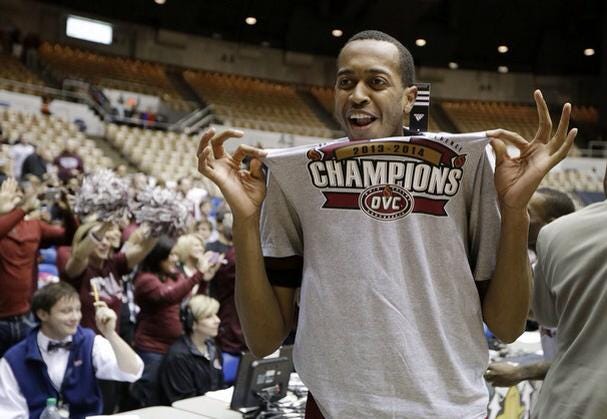
When it was finally over, one of the things I took for granted was assuming that life would be just as it was when I was an athlete in my post-playing days. Towards the latter half of my career, I suffered through a shoulder injury. That was the first time I truly thought about life without sports. I ended up rushing to get back and was not fully recovered from the surgery. At the time, I thought that this was for the sake of my team, and I wanted to be perceived as a good teammate. The real reason was that I was afraid of what life could look like without the most constant thing in my life-sports.
I remember my last game in college, we lost by a buzzer-beater. I was so crushed. The fans gave me and the other seniors a standing ovation, but in my mind, I thought about this as the moment of the unknown. I went home to my apartment and called my dad and sobbed on the phone. In a lot of ways, ending a sports career is like grief because it’s a loss of something significant in your life.
The next day, I remember thinking that I needed to try to keep life as “normal” as possible. I decided to go to our rec center and work out. I woke up and arrived at the rec center at 6 am. I walked to the weight areas and looked around, and noticed that there were no workouts written, no coaches there to tell me what to do, and no direction for me at all. I walked out of the rec center at around 6:05. I was so embarrassed, but also knew that I needed some serious help.
When I look back at my life, that really started my journey of discovering what life looks like beyond sports, and what lessons sports taught me that I could take with me.
Throughout this journey, I understood more about how my faith gave me direction and purpose. I became a Christian towards the end of my college career. Initially, intertwining Jesus with sports seemed awkward and misplaced. However, after a brief summer stint with Athletes in Action in New Zealand, I learned that Jesus is Lord even in sports and how to share that with others. Most importantly, this shaped what my purpose was and how to live that out practically.
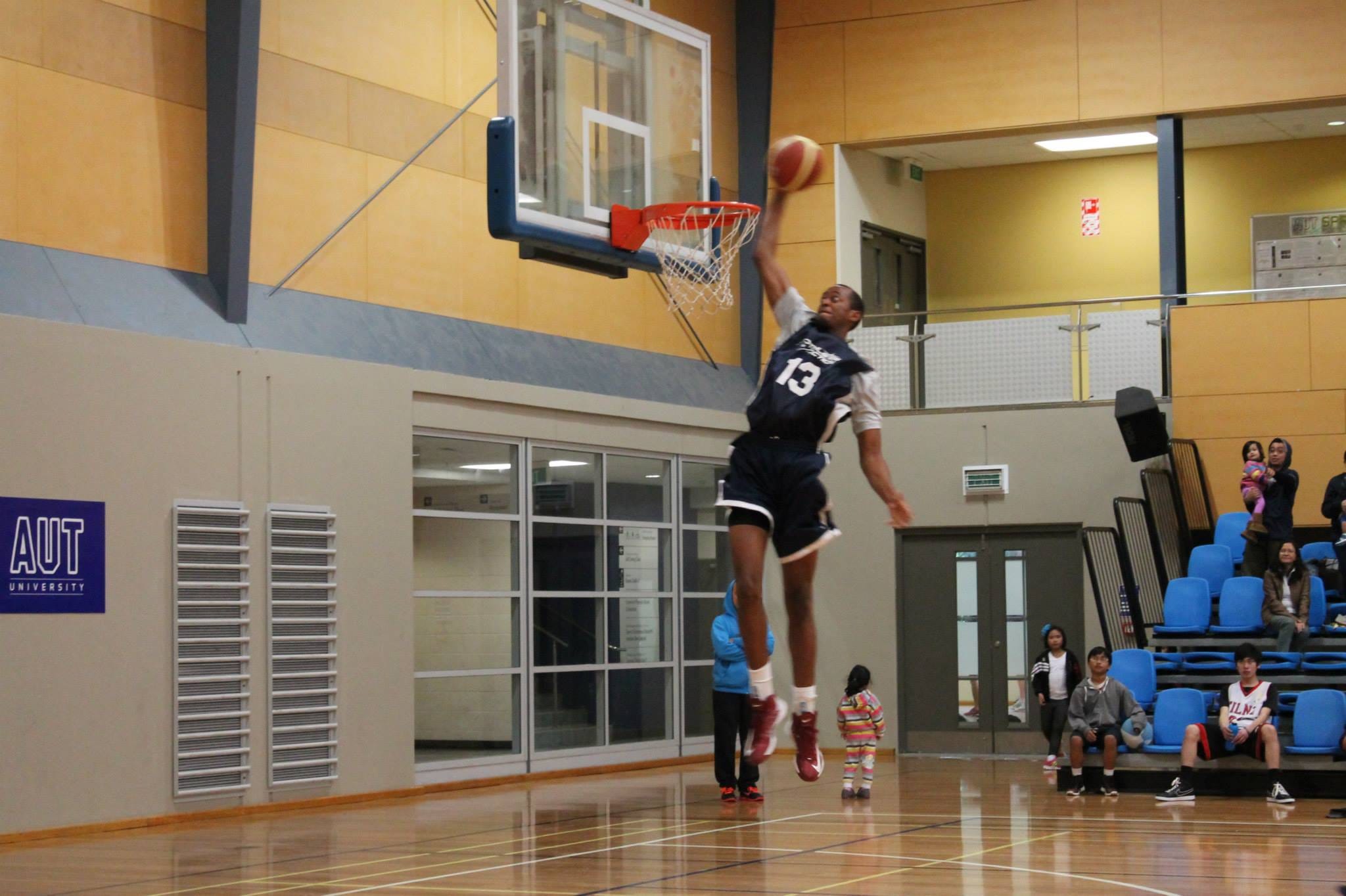
I also learned that the skills I learned in sports were not just for sports’ sake. Much of that helped me to form my passion and research. Fortunately, I was blessed enough to find a career that supports my research quirks, and I am also able to help student athletes. Very quickly in my studies, I discovered that I had a passion for helping athletes and that there is a space to do this in academia. Academia gave me the language to describe what I and other athletes were going through. It also gave me the platform to explore those topics even further.
Athletic identity and life after sports are crucial elements for every athlete. I have been able to help athletes from multiple states and even a few from around the world. Having been around multiple sports for my entire life and actually lived the experiences that many of these athletes face, I am uniquely qualified to address these issues, not only from the coaching standpoint, but also from a personal standpoint by being empathetic and relatable to the journeys that they are on. So many of the athletes that I speak to have the same issues. They often say things like “I don’t know who I am without my sport,” or “I have no idea what I can bring to the world if I’m not wearing my uniform.” All of these stories are so sad, but through my research and coaching, I have found proven ways to address them. The athletes that I have worked with have seen changes and direction in their lives.
In the worst-case scenarios, athletes who have not addressed these issues of identity or sense of purpose deal with mental health issues, and even worse cases of self-medication and/or self-harm. I have seen this far too many times. My why is to help equip the next generation of athletes, parents, and coaches with the proper tools to address athletic identity and life after sports. I want to see a generation of flourishing athletes who know that their sport is teaching them lessons about life and not simply about the score of the game.
What You Can Expect From Me
If you haven’t had the chance by now, check out my website. There are a ton of free resources on there, and also another way for athletes, parents, and coaches to contact me. I will also be sending out a weekly newsletter addressing topics like athletic identity, life after sports, and how to think about some of the sports issues of today.
My hope is that this community becomes a space where athletes, parents, and coaches feel equipped for their next play. If this resonated with you, share it with someone who might need it, and I’d love to hear your story, too. How has sport shaped who you are today?